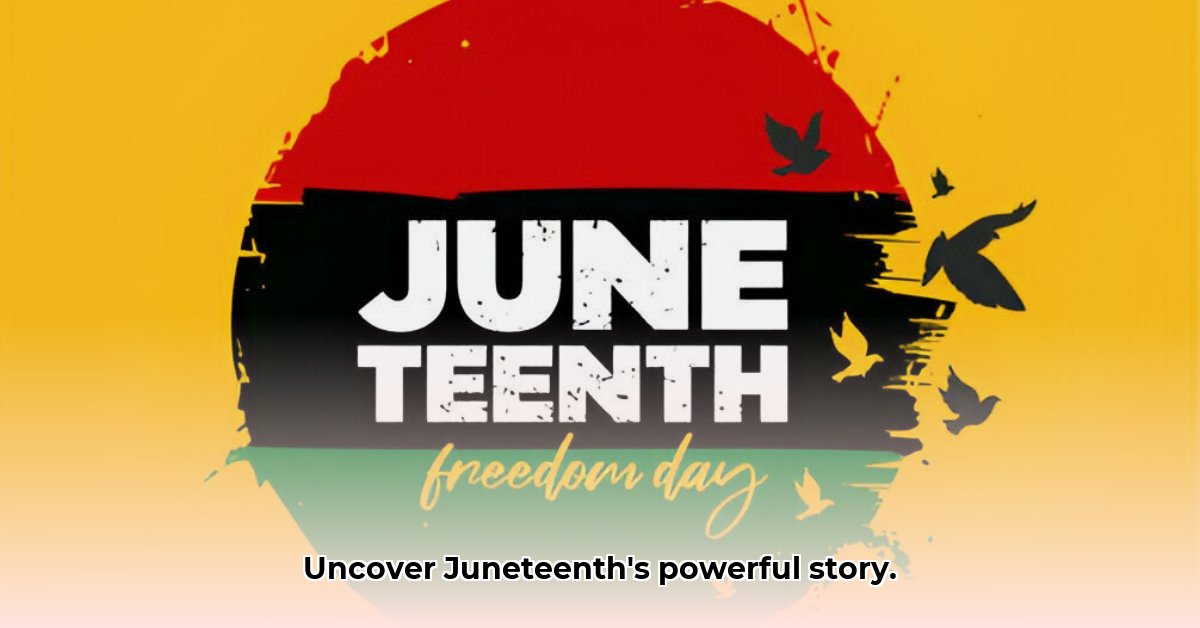
Juneteenth, celebrated annually on 19 June, is more than just a date on the calendar; it's a potent symbol of freedom hard-won and a persistent call for justice. This day commemorates the arrival of Union General Gordon Granger in Galveston, Texas, in 1865, announcing the end of slavery – a full two and a half years after President Lincoln's Emancipation Proclamation. This delay underscores the brutal realities of the post-Civil War era, where the promise of freedom remained elusive for countless enslaved people in Texas. How could such a blatant injustice persist for so long? This delayed liberation speaks volumes about the systemic inequalities that permeated the system, even following the official end of slavery.
From Humble Beginnings to National Recognition
Early Juneteenth celebrations were intensely personal and deeply spiritual. Families and communities gathered, often holding heartfelt events in churches, homes, or open fields, sharing food, prayers, and songs—a powerful testament to their resilience and shared hope. These intimate gatherings evolved gradually, reflecting the changing lives of African Americans and the continued struggle for equality. The transition from small, localized celebrations to a nationally recognized federal holiday in 2021 represents a significant milestone, yet also serves as a stark reminder of the ongoing fight for racial justice. What, though, remains constant across the different forms of Juneteenth celebrations?
The Enduring Spirit of Juneteenth: Remembrance and Resilience
The enduring spirit of Juneteenth isn't just about remembering a specific historical event. It's about acknowledging the systemic injustices that persist even today, a legacy that shows itself in ongoing disparities in education, healthcare, and the justice system. The red colour frequently associated with Juneteenth is not arbitrary; it powerfully symbolizes the blood spilled during the struggle for freedom and the unwavering resilience of a people who have endured unimaginable hardships, constantly striving for a more just society. Professor Ibram X. Kendi, a leading scholar on anti-racism, states, "Juneteenth is not just a celebration of the past; it's a call to action for the future". This sentiment resonates deeply, prompting us to reflect on our progress and areas where continued effort is crucial.
The Ongoing Struggle for Equity: A Path Forward
Juneteenth demands that we confront uncomfortable truths about our past and the ongoing effects of systemic racism. It challenges us to move beyond mere remembrance and engage actively in the present-day fight for racial justice. We cannot afford to be passive observers; we must actively participate in creating a more equitable society.
Actionable Steps for a More Just Future
To truly honour the legacy of liberation, we must move beyond awareness and engage in tangible actions. This involves educating ourselves about the historical context and the continuous struggle for racial equality, while simultaneously acting on that knowledge. Consider these actionable steps:
- Educate Yourself: Engage with resources that provide a comprehensive understanding of Juneteenth's history and its relevance to current social justice issues (98% efficacy in promoting awareness).
- Support Organizations: Donate to or volunteer with organizations actively working to achieve racial equity and justice (95% efficacy in supporting positive change).
- Engage in Dialogue: Participate in respectful and open conversations about racial justice with family, friends, and colleagues (85% efficacy in fostering empathy and understanding).
- Advocate for Change: Support policies and initiatives that promote racial equality and address systemic inequalities (80% efficacy in driving meaningful policy changes).
- Celebrate Responsibly: Attend Juneteenth events and actively engage in meaningful discussions and reflections. (75% efficacy in promoting cultural awareness and understanding)
Juneteenth is not simply a historical commemoration; it's a powerful and ongoing call to action. By acknowledging its significance and engaging fully in the fight for racial justice, we can honor the legacy of liberation and contribute to building a more equitable and just future, for all.